There isn’t another killing in cinema quite like the centrepiece sequence in Leave Her To Heaven.
Categories
Notes on Leave Her To Heaven.

 The Glass Family
There isn’t another killing in cinema quite like the centrepiece sequence in Leave Her To Heaven.
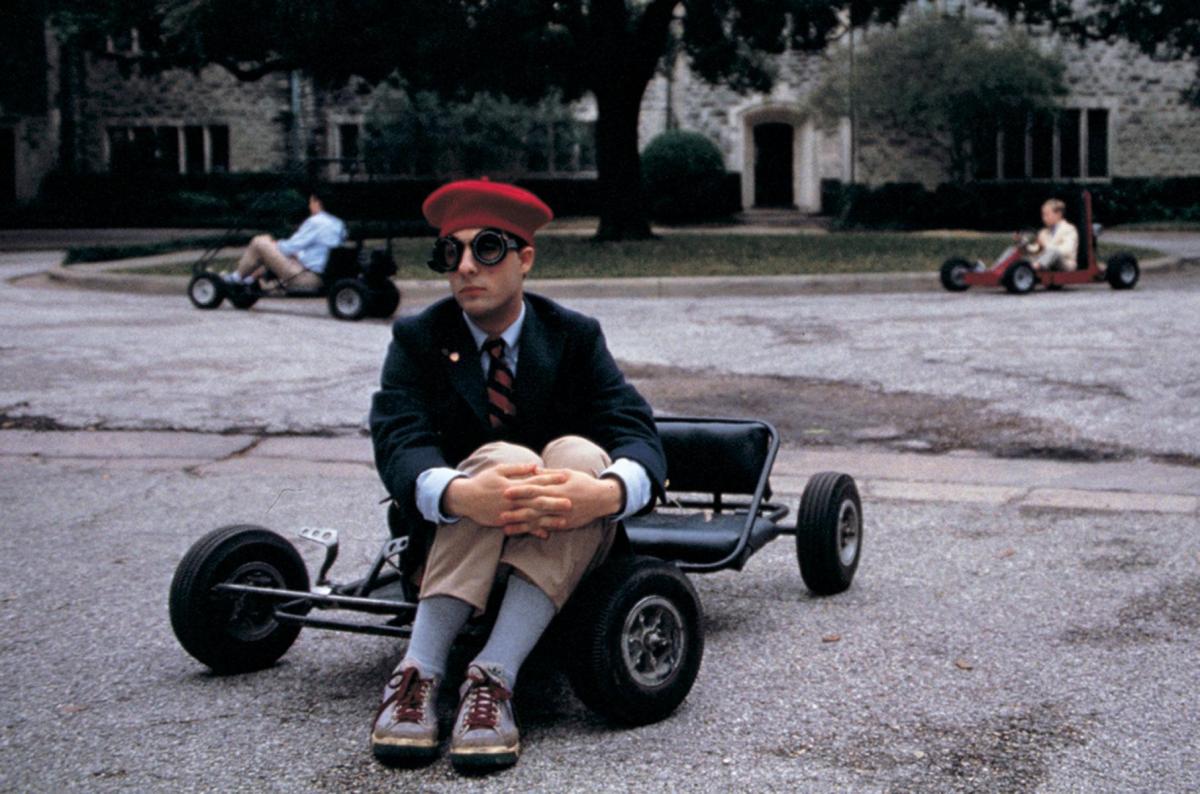
Over the weekend I watched a couple of films.
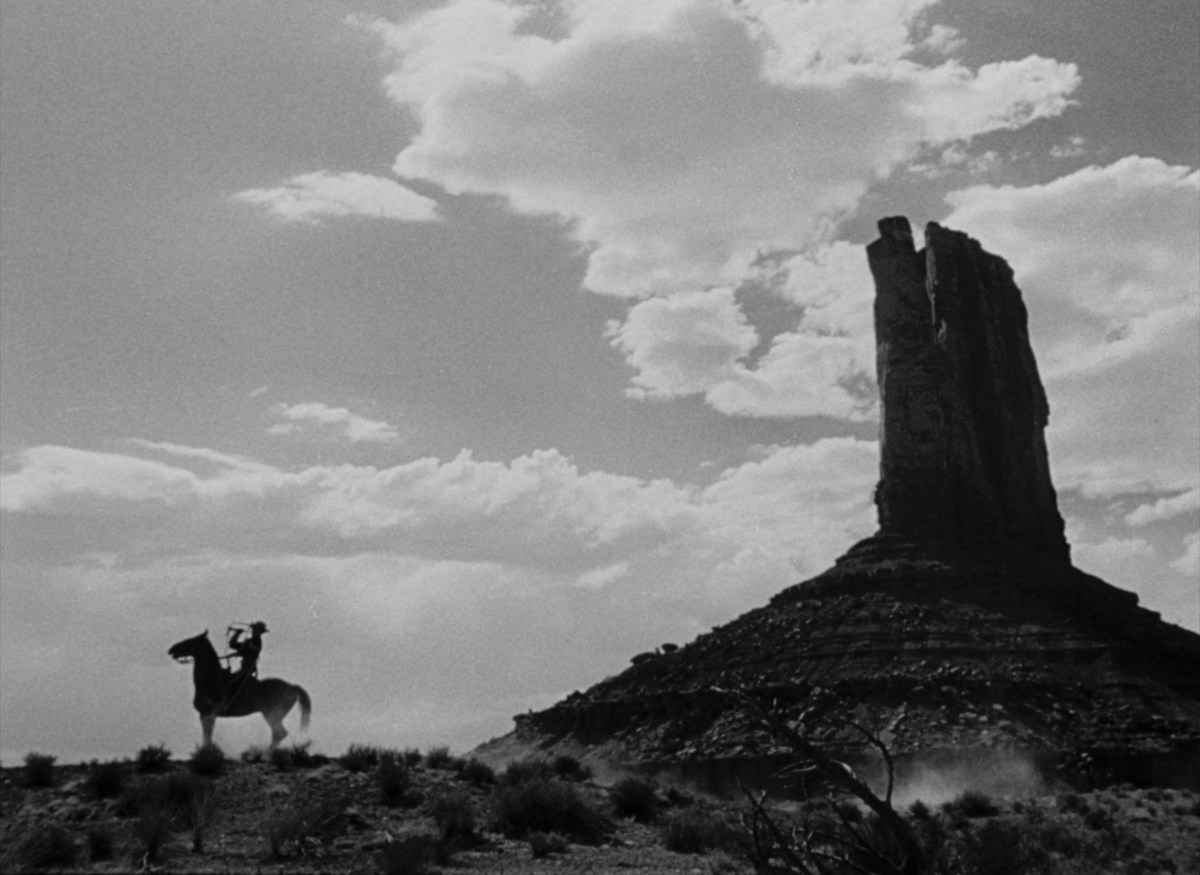
I’ve watched a lot of John Ford films recently, thanks to a pair of fantastic new home video releases.
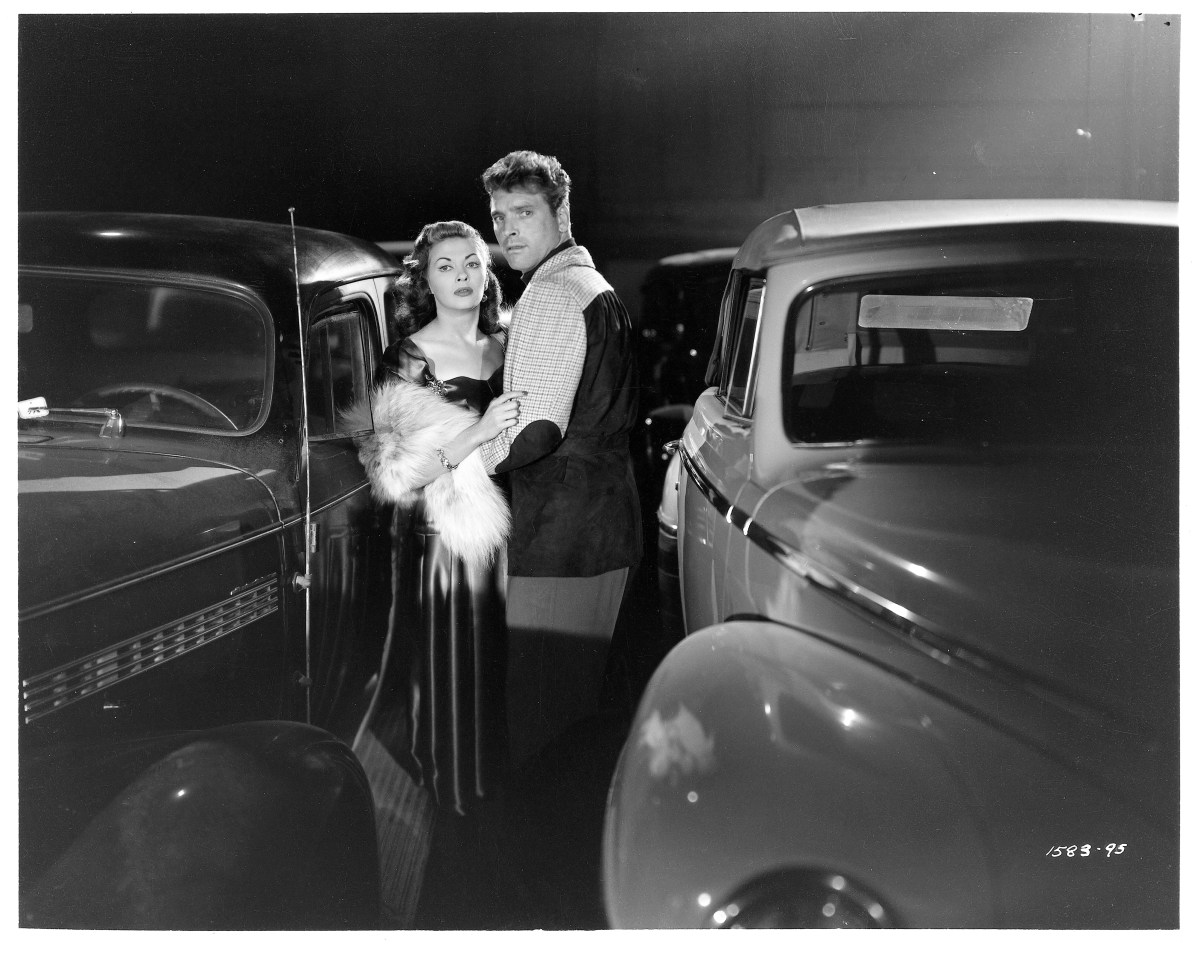
A couple of months ago I was tasked with providing an essay for this upcoming release of Robert Siodmak’s Criss Cross. Somewhat under-seen in the UK, Criss Cross stands as one of the darkest and most affecting film noir pictures of the era. Take a look at the trailer and the artwork below.
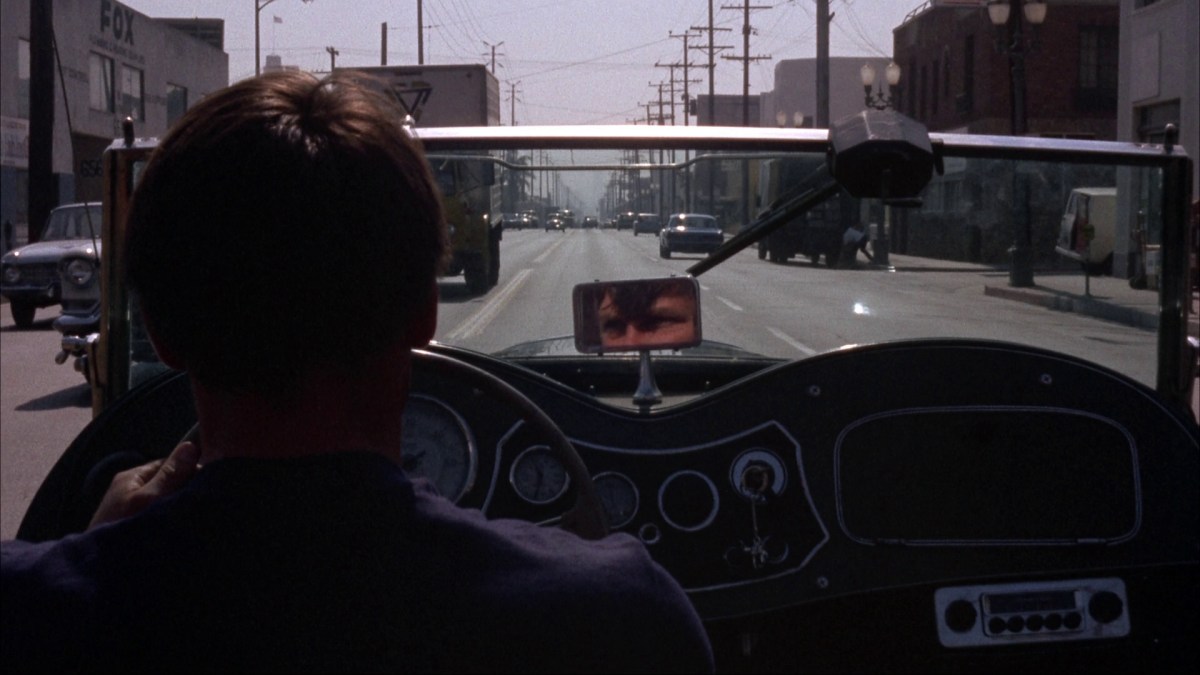
The opening shot of Jacques Demy’s 1969 film Model Shop, starring Gary Lockwood and Anouk Aimee reminds of the same director’s Bay Of Angels and Jeanne Moreau running down the Nice seafront.
So.
We’re in lockdown. Today marks the end of week two. In that time, and aside from my wife and dog, I’ve had face-to-face conversations with precisely three people, all neighbours, and all from the safety of at least two metres distance. It’s a curious existence, but one that we have all seemingly adapted to with great speed.
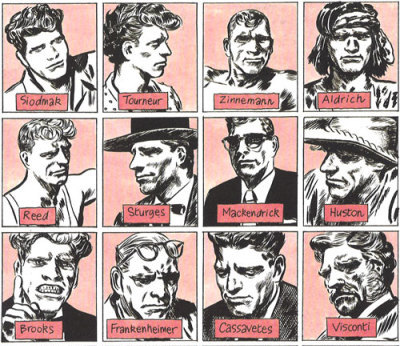
I’ve been writing about Burt Lancaster for a freelance project recently, and this illustration by French artist Blutch turned out to be an unlikely starting point.
So.
I’ve not posted for a while.
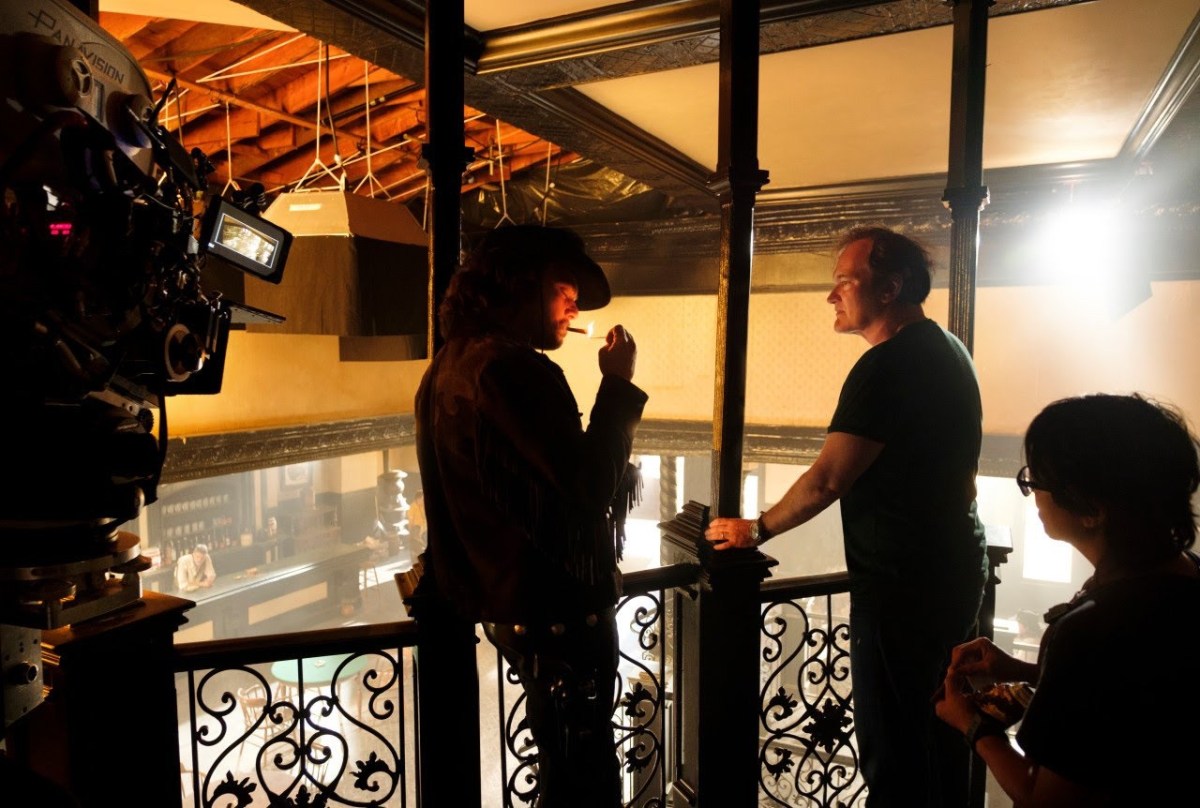
Quentin Tarantino’s Once Upon A Time In Hollywood opens in the UK this week. It’s a breathtaking and wholly affecting piece of work, and one that focuses on Hollywood’s ability to “fix” the worlds ills. Here, the dream factory conjures the ultimate happy ending.
A real sense of denouement runs riot throughout the picture. Much has been made of the director’s impending retirement, which is set to follow in the wake of the release of his next, thus far unmade feature, but one can not help but think this would have been the ideal ending for the filmmakers oeuvre. It’s a culmination of everything that he’s ever done, and everything that he’s about.
Here he takes the idea of Hollywood saving the day to its logical ending, allowing the movies to veer away from its own greatest personal tragedy. The director has been here before: There are echoes of his manipulation of world history in Inglourious Basterds, but in Once Upon A Time In Hollywood it’s all the more personal to Tarantino the cinephile.
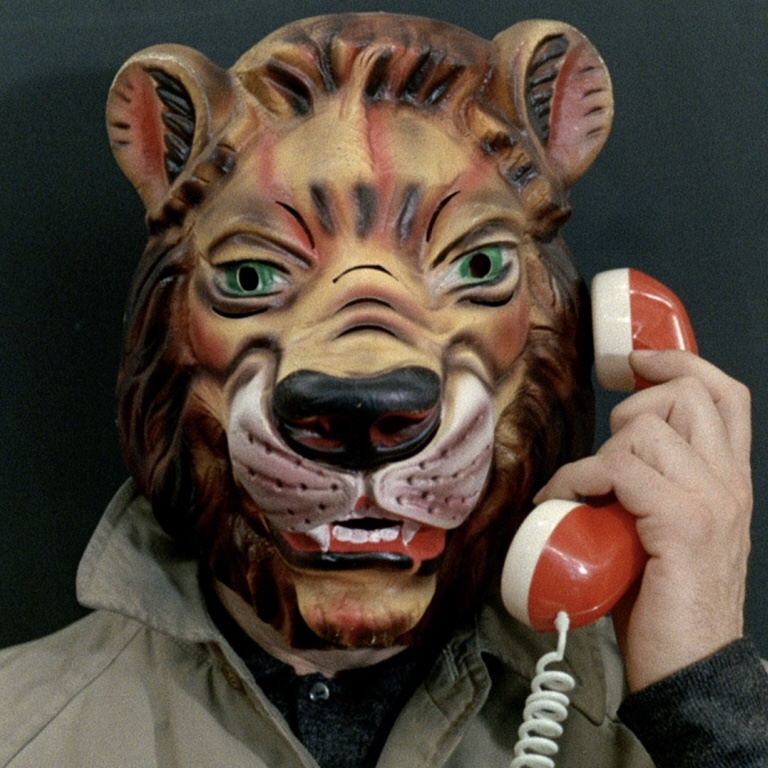
I don’t know what this blog is. I’ve written about art and film for over ten years and have always needed a platform. Recently though, I have begun to look away from screens in general, spending less time on social media, and less time interacting with content online. Where once the smartphone distracted, books are back, and I’m spending more time sat in front of films rather than discussing them on twitter.
Professionally I’ve shifted quite dramatically in the last 18 months too, and, as is no doubt eminently relatable, work dominates much of my time. So drastic was the shift in professions that I’ve found myself engrossed in learning again, and am immersing myself in design-related theory when not in the office. I’ve shifted politically too (well, slid), and am now a bona-member of the Green Party.
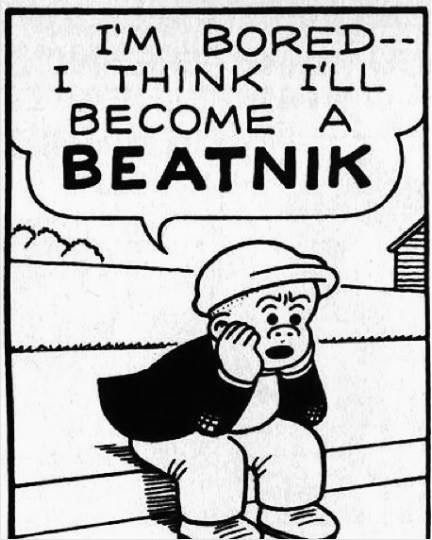
This is all to say that I *think* this blog should be about all of the things that interest and excite me. It should be about design, culture, art and cinema, and of literature, fashion, interesting music and the world at large. It *should* be about progressive politics on an intimate level, as per my personal mantra in the otherwise overwhelming age of Donald Trump and Brexit. I’m quite the optimist, but the world feels in a really bad place at the minute, between the state of the environment and our blusterous political leaders: I’m trying to focus on the world from my doorstep, and affect change that way. I want this outlet to be an extension of all of those things.
 The Glass Family